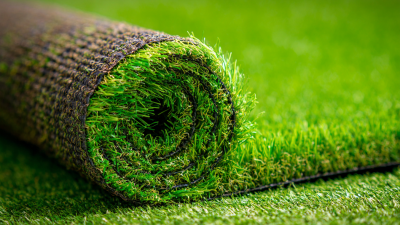
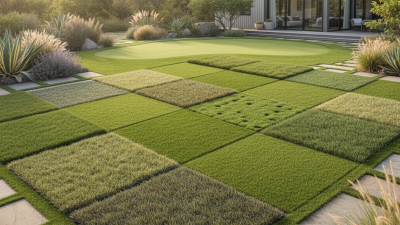
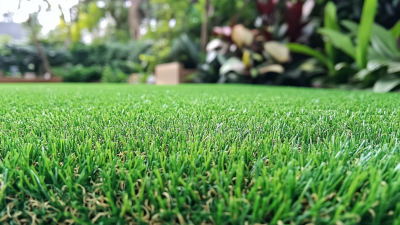
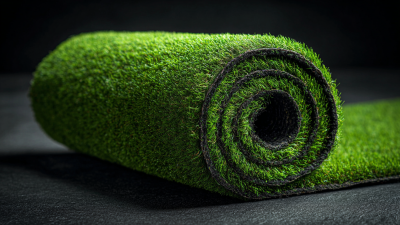
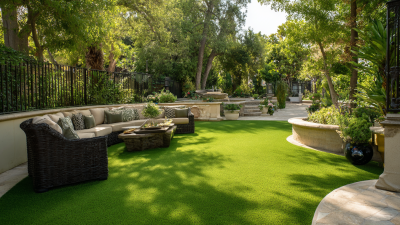
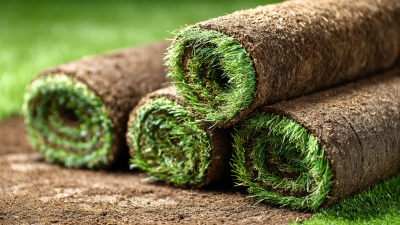
When you're thinking about what your landscape needs, you might find yourself wondering about the perks of Synthetic Grass. I came across what Dr. Andrew Green, a pretty well-respected turf expert, said—he mentioned that "Synthetic Grass offers a pretty cool solution for keeping your yard looking great with way less water." Honestly, the benefits of synthetic grass aren't just about looks; they’re also super practical when it comes to saving water, lasting longer, and being easier to take care of.
Using synthetic grass does more than just make your outdoor space look fantastic. It also cuts down on the hassle of constant upkeep. Sure, traditional grass needs regular mowing, watering, and fertilizing—what a pain! But synthetic grass? Almost no maintenance needed, and it stays lush and green all year round. That said, some folks still get a bit skeptical—thinking about the environment or whether it looks natural enough.
The talk about synthetic grass is changing, though. More and more people are really paying attention to eco-friendly landscaping options. Companies like Turf Solutions are actually pushing the boundaries with new innovations. As this industry keeps growing, it's really important for homeowners to chat with the experts, weigh the pros and cons, and see if synthetic grass could work for their specific situation. Doing a little research and listening to different perspectives just helps you make smarter choices — and, of course, makes your yard look amazing.
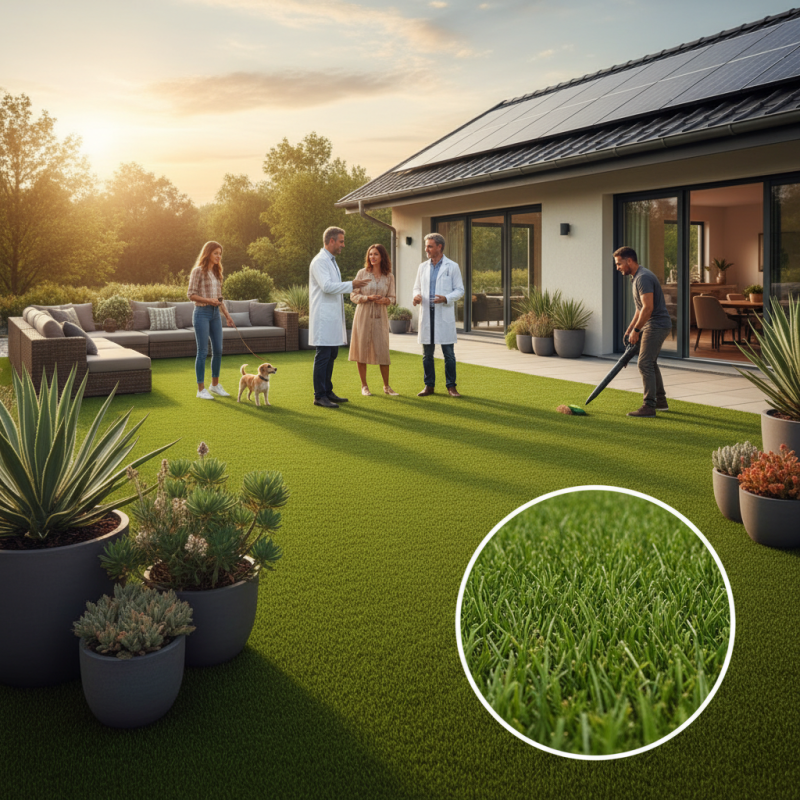
Advantages of Synthetic Grass Over Natural Grass
Synthetic grass has gained popularity, and for good reasons. One major advantage is its low maintenance nature. Unlike natural grass, Synthetic Turf doesn’t require mowing, watering, or fertilizing. This saves homeowners time and money. Imagine a summer weekend—no more hours spent trimming and edging. Just enjoy the beautiful outdoor space.
Another key benefit is its durability. Synthetic grass can withstand heavy foot traffic, making it ideal for families and pets. It remains vibrant and intact in any weather. Natural grass often gets muddy after rain or wears down under pressure. With Synthetic Turf, mud worries fade away. Kids can play freely without tracking dirt into the house.
Environmental considerations also come into play. Synthetic grass conserves water, a critical resource in many areas. Traditional lawns can consume thousands of gallons annually. This choice helps preserve the environment without sacrificing aesthetics. Awareness of these factors is growing, pushing more people toward synthetic turf as a viable landscaping option. There's a learning curve, however, as some worry about heat retention and surface feel. It’s crucial to research and find a solution that fits individual needs, allowing for a balanced decision.
Cost-Effectiveness of Synthetic Grass Installations
When considering landscaping options, synthetic grass installations stand out for their cost-effectiveness. Traditional lawns require ongoing maintenance, which can be expensive over time. Mowing, watering, and fertilizing add to the overall expense. In contrast, synthetic grass offers a one-time installation cost. This can save homeowners money in the long run.
Additionally, synthetic grass is durable and low-maintenance. It does not need watering, making it ideal for regions with water restrictions. A Grass Carpet can withstand heavy foot traffic, making it suitable for sports fields and playgrounds. The initial investment may seem high, but savings on maintenance and water bills can offset this expense.
However, it's essential to think critically about synthetic solutions. Some people question its environmental impact. While it requires less water, manufacturing synthetic materials has an ecological footprint. Understanding these factors is crucial for making an informed decision. Balancing aesthetics and practicality in landscaping can enhance your home while being mindful of costs.
Environmental Benefits of Choosing Synthetic Grass
Synthetic grass has gained attention for its numerous environmental benefits, particularly in water conservation. Traditional lawns require constant watering. In contrast, synthetic grass needs no watering. This can lead to significant water savings, especially in drought-prone areas. Homeowners are increasingly realizing the impact of their landscaping choices on local water supplies.
Another aspect to consider is pesticide use. Natural grass often requires chemical treatments to remain healthy. These chemicals can seep into the soil and affect local ecosystems. Synthetic grass eliminates the need for such treatments. It presents a cleaner option for homes near rivers or lakes. While synthetic grass may not provide the same biodiversity as a natural lawn, its maintenance requirements are far lower.
However, the production of synthetic grass does come with environmental costs. The materials used in manufacturing bring challenges. There’s also the question of its disposal at the end of life. Thoughtful recycling processes are crucial. This reflection on material impact is important for those considering synthetic options. Balancing convenience with environmental responsibility is key.
Low Maintenance Requirements for Synthetic Grass
Synthetic grass offers a remarkable solution for those seeking low maintenance landscaping options. Traditional lawns demand regular mowing, watering, and fertilizing. These tasks require time and often costly resources. In contrast, synthetic grass eliminates these burdens. You need no more lawnmowers or sprinklers. Just enjoy the beauty without the chaos.
Additionally, synthetic grass is designed to withstand various weather conditions. Rain or shine, it retains its appeal. The colors remain vibrant, and the texture remains inviting. Pets can play on it without causing damage. There are no mud patches or dead spots to worry about. It’s perfect for busy families or pet owners.
However, some might question the initial cost of installation. Synthetic grass can seem pricier upfront. We must consider long-term savings on maintenance. Over time, those savings often offset the initial expense. Reflection on your lifestyle and property needs will show you the true value. Embracing synthetic grass may just be the practical choice for your landscape.
Variety of Applications for Synthetic Grass in Landscaping
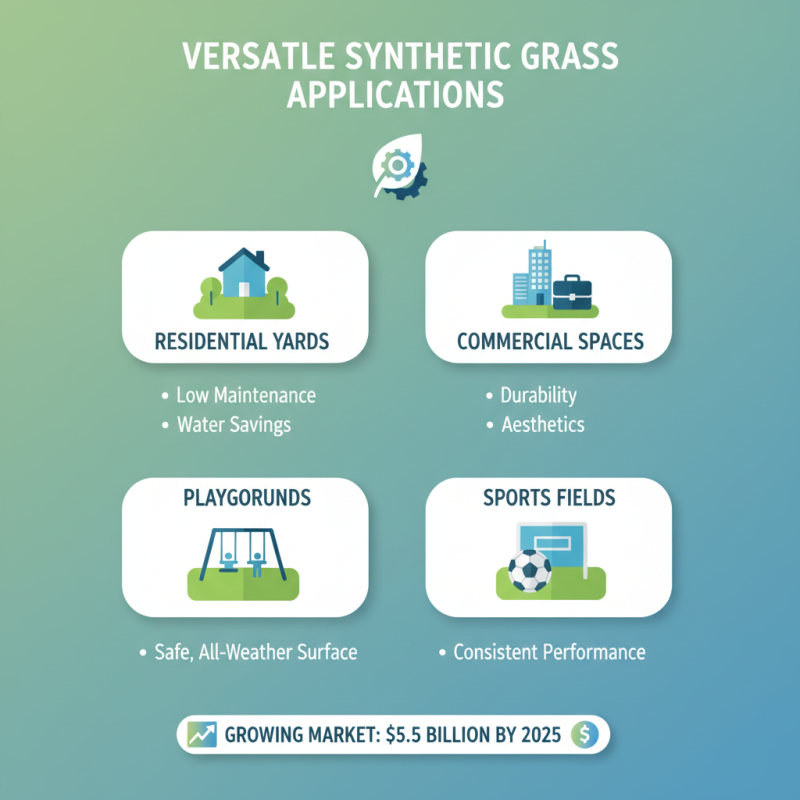
Synthetic grass is gaining popularity for various landscaping needs. Its versatility makes it suitable for residential yards, commercial spaces, playgrounds, and sports fields. According to industry reports, the synthetic turf market is projected to reach $5.5 billion by 2025, demonstrating its growing acceptance. Homeowners appreciate the low maintenance and water savings, while businesses often seek durability and aesthetics.
For residential gardens, Artificial Grassoffers a lush appearance year-round. It eliminates the hassle of mowing and pesticides, aligning with modern sustainability goals. Public parks benefit from synthetic grass, as it reduces mud and creates safer play areas for children. In sports, many professional teams prefer Artificial Turf due to its enhanced performance and longevity.
Tip: When selecting Artificial Grass, consider factors like pile height, density, and UV protection. These qualities can significantly affect durability and appearance.
While synthetic grass presents benefits, it does require a thoughtful installation process. Improper installation can lead to uneven surfaces or drainage issues. Careful planning and evaluation are key for achieving the best results.
Aesthetic Appeal and Customization Options
When considering synthetic grass for landscaping, aesthetic appeal plays a crucial role. This alternative to natural grass offers vibrant colors and a flawless look year-round. Homeowners can choose from various styles and textures that mimic real grass, ensuring a perfect fit for any landscape. According to industry reports, over 60% of homeowners prefer artificial turf due to its visual impact and low maintenance.
Customization options are vast with synthetic grass. People can select specific shades and tuft patterns that align with their preferred aesthetics. This versatility allows for gardens that look unique and tailored to personal tastes. Notably, studies have shown that landscaping with quality "Fake Grass Carpet" can increase property value by up to 15%. This makes it an attractive choice for those investing in their homes.
However, it’s essential to reflect on the environmental impact of synthetic solutions. Although maintenance is low, the materials used in production can raise concerns about sustainability. Many consumers are striving to balance beauty with eco-friendliness. In choosing synthetic grass, it's crucial to weigh the benefits against the potential drawbacks, ensuring a decision that aligns with values and lifestyle.
Durability and Longevity of Synthetic Grass Solutions
Synthetic grass has become a popular choice for landscapes. Its durability is one of the primary reasons homeowners choose it. Unlike natural grass, synthetic grass can withstand harsh weather conditions. It does not fade in bright sunlight, nor does it turn brown in droughts. This means your lawn remains vibrant all year.
The longevity of synthetic grass solutions is remarkable. Many synthetic grass products can last for over 15 years with proper maintenance. This makes it a wise investment for anyone who values a hassle-free landscape. Homeowners often notice lower water bills, too. But, it's crucial to remember that not all synthetic grass is created equal. You should always check for UV resistance and quality of materials.
While synthetic grass offers many advantages, it's not entirely perfect. Some people miss the natural feel and smell of grass. Others worry about the impact on local wildlife. It's important to weigh these factors. Reflecting on your own needs will help you make the best choice for your landscape.
FAQS
: Synthetic grass saves water and reduces pesticide use. It doesn’t require watering, lowering water consumption substantially.
Traditional lawns need constant watering. Synthetic grass helps conserve water, especially in areas facing drought.
Yes, synthetic grass eliminates the need for chemical treatments, reducing the risk of chemicals affecting local ecosystems.
Many synthetic grass solutions can last over 15 years when properly maintained. This longevity makes it a worthwhile investment.
No, synthetic grass doesn’t offer the biodiversity that natural lawns do. It may lack some ecological benefits.
Some people miss the natural feel and scent of grass. Others may have concerns about its impact on wildlife.
No, quality varies. Always check for UV resistance and the materials used to ensure you're getting a good product.
Disposal can be problematic. Thoughtful recycling processes are necessary to minimize environmental impact when replacing synthetic grass.
Yes, it withstands harsh conditions well. It won’t fade in sunlight or turn brown in droughts, keeping your lawn vibrant.
It can be, but you should reflect on its production and disposal impacts. Balancing convenience with ecological awareness is important.
Conclusion
Synthetic grass is an increasingly popular choice for landscaping, offering numerous advantages over natural grass. Its cost-effectiveness is a significant factor; although the initial installation might be higher, the long-term savings on water, fertilizers, and maintenance make it a smart investment. Environmentally, synthetic grass reduces water consumption and eliminates the need for harmful pesticides, contributing to a more sustainable landscape.
Moreover, synthetic grass requires very low maintenance, saving homeowners time and effort while providing a lush, green aesthetic year-round. Its durability ensures that it withstands heavy foot traffic and various weather conditions, making it suitable for a variety of applications in gardens, sports fields, and playgrounds. With a wide range of customization options available, synthetic grass can be tailored to fit different landscape designs, enhancing both visual appeal and functionality. In summary, synthetic grass stands out as a practical, attractive solution for modern landscaping needs.