Leave Your Message

Blog

Who Are the Top EPDM Rubber Flooring Manufacturers in China?

Who Are the Top EPDM Rubber Flooring Manufacturers in China?

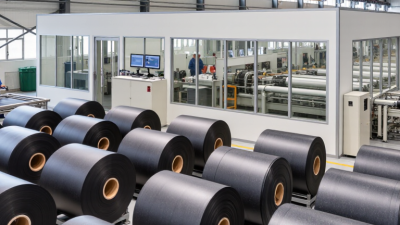
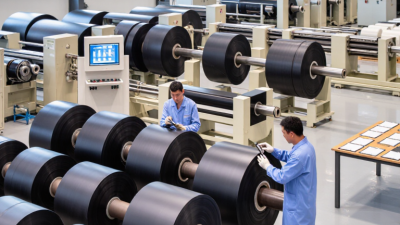
Chinese EPDM rubber flooring makers aren't just trying to undercut each other on price—there's a lot more to it than that. Buyers tend to dig into things like granule consistency, binder quality, odor, density, and how tightly production is controlled. And sure, the numbers from Grand View Research—they put the global rubber flooring market at around USD 1.7 billion in 2023 and expected it to keep growing through 2030—are nice for context. But honestly, that kind of big-picture data doesn't tell you whether a specific supplier can deliver what your project actually needs. That's where samples come in. And not just samples: clear test reports, plus batch specs that actually hold up from one order to the next. You know, W. Edwards Deming—the quality guru—once said, 'Quality is everyone's responsibility.' For anyone buying flooring, that really hits home. It's not just about the pretty surface; you've got to dig into the process. Like, ask the factory how they keep colors consistent, how they check thickness, and whether they test for that funky smell after installation. And when you unroll a sample, it should feel solid and uniform—not crumbly on the edges. But here's the thing: suppliers can make their products sound amazing on paper, but reality might be different. So yeah, a little healthy skepticism goes a long way. So, you're thinking about sourcing from China, huh? This guide is here to help you figure out how to actually compare the top manufacturers—and, more importantly, what kind of proof you should ask for before you even think about placing an order. We also take a look at products that come with flashy names like “Factory Hot-sale Gym Rubber Rolls Fitness Non-Smell Rubber Floor Rolls High Density Epdm Rubber.” I mean, the keyword “Epdm Rubber Flooring” covers a whole bunch of stuff, but honestly, just slapping that label on something doesn't automatically mean it's good quality.
Read more »
Sophia By:Sophia - November 9, 2026
How to Choose the Right Exercise Floor Mats for Your Gym

How to Choose the Right Exercise Floor Mats for Your Gym

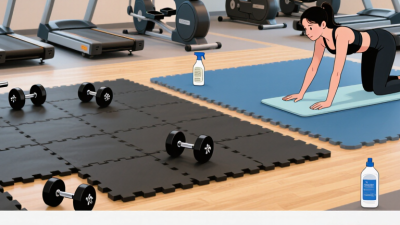
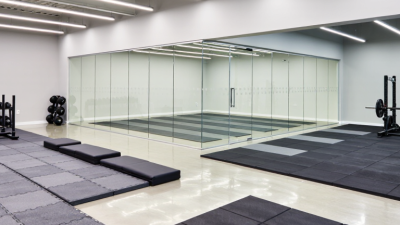
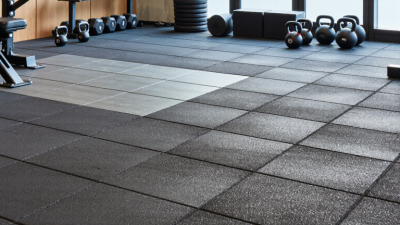
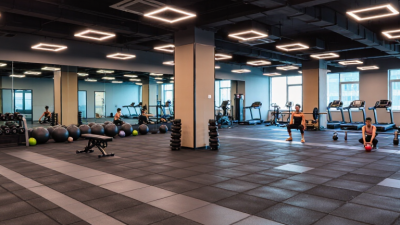
Let’s be honest—the gym floor is part of the training experience, not just the thing under all the equipment. IHRSA’s 2024 Global Report says 72.9 million people were health club members in the U.S. in 2023. With that many folks using the gym, you can’t really ignore practical stuff like comfort, upkeep, and durability. Little things end up mattering a lot. Drop a dumbbell on a thin mat and it’s noisy; get a slick surface and you’ll feel hesitant during fast movements. Alright, so when you're choosing exercise floor mats, it really comes down to matching what they're made of and how they're built to what's actually happening in each part of the room. Like, rubber tiles are usually your best bet for free-weight areas, but lighter foam mats? They're great for stretching or floor work. And here's the thing – thickness isn't the whole story. You've also got to factor in density, grip, how the seams fit together, how easy they are to clean, and what the subfloor looks like underneath. So, ASTM F2772—that’s the standard for indoor sports floor systems, basically—it covers how those floors perform. It’s a handy thing to bring up when you’re talking through flooring options, but here’s the thing: it doesn’t automatically certify every single gym mat out there. Honestly, it doesn’t work like that. When you're trying to pick the right mat, it's not just about price—you've got to think about how you'll use it, how easy it is to install, what maintenance looks like, and whether it actually fits your budget. Sure, a sample can tell you a lot about texture and smell. But it won't show you how the seams are going to hold up once people are constantly walking all over them. That's something people overlook all the time. So before you commit to a big purchase, dig into the manufacturer's specs, ask for any relevant test reports, and maybe try out a small area first. Honestly, no single mat is going to be perfect for every gym. Sometimes the right choice means going back and rethinking what you actually need.
Read more »
Liam By:Liam - November 6, 2026
How to Choose the Best Vinyl Flooring?

How to Choose the Best Vinyl Flooring?

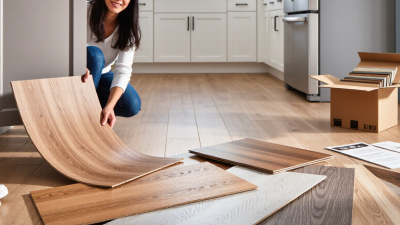
Picking the right vinyl flooring? Honestly, it’s less about the sample board and more about the room itself. That soft oak look might seem super warm in the showroom—but then real life happens: muddy shoes, chair legs scraping, spilled water, and afternoon sun pouring in. You need something that can handle all that, and still fit your budget and style. First off, don’t skip the basics—check the wear-layer thickness, how the product’s put together overall, and what the manufacturer says about care. Honestly, those little specs are what let you compare options fairly. Then think about the room itself. A busy kitchen isn’t going to need the same things as a quiet guest room. And before you get too attached, make sure the flooring actually works with your subfloor and ask about installation requirements—like, before you buy. It’s the small stuff that ends up mattering most. Next, think about how it looks and feels—because you'll be living with it every day. Grab some samples, hold them up against your cabinets, and check them in both morning and evening light. You'd be surprised how much a floor changes throughout the day. Also, pay attention to the texture underfoot; that's something you can't judge from a photo. Warranties matter, sure, but don't assume a long warranty means the product is bulletproof. How well it's installed and how much care you give it can make or break the result. Honestly, there's no one-size-fits-all floor out there. It all comes down to your home, your habits, and your priorities. Look, a reliable expert quote needs to come from somewhere you can actually verify—an interview, an article, or the company itself. None of that was provided here, so inventing a sentence and pinning it on a named specialist would be pretty misleading. Still, this outline can help you think through design, durability, maintenance, and installation before you decide. So check the product documents. Ask straightforward questions. And keep the actual room in mind when you choose.
Read more »
Sophia By:Sophia - November 3, 2026
Who Are the Best Gym Flooring Manufacturers in China?

Who Are the Best Gym Flooring Manufacturers in China?

Picking out gym flooring isn't just about matching the color scheme, you know? It's way more than that—it affects how safe you feel underfoot, how much impact your joints absorb, whether the noise echoes, and honestly, how much time you'll spend cleaning it down the road. Sure, that sample in the showroom might look fantastic, but wait until you drop a barbell on it or do some quick lateral moves—that's when the real differences show up. So, anyone shopping for gym flooring should really dig into the specs and think about their actual space, the kind of workouts they do, and how heavy the equipment is going to be. It's about matching the surface to your real-life training, not just the vibe. Gym flooring expert Lin Qiao puts it plainly: “Judge a floor under real training conditions, not showroom lights.” That’s solid advice, honestly—though there’s no magic floor that works for every space. If you’re covering a big area, rubber matting rolls are great for broad coverage. Need something continuous for a whole gym? A gym rubber flooring roll might be your best bet. And for those heavy lifting zones, a rubber gym mat is the way to go. The little things matter more than you'd think, too. Look at the seams, give it a sniff for any weird odor, check the texture, and ask yourself how easy it'll be to keep clean—because trust me, that makes a huge difference down the line. So, when you're looking at Chinese manufacturers, there are a few key things you really need to check out. I'm talking about material consistency, how wide their product range is, whether they can customize, if they have proper quality documentation, and how they handle communication when you're ordering samples. Also, they've got gym mats, rubber flooring, and those gym rubber floor tiles – you need to think about what fits your room size and how you train. When you talk to suppliers, make sure you ask for clear specs and samples – don't just take their word for it. You should actually inspect the edges and surface finish yourself. But here's the thing: even if they publish all these claims, there's no way to know how the floor will hold up after years of heavy use. That's still a big unknown. Honestly, if you take a moment to narrow things down and keep a little bit of doubt in the back of your mind, you're way more likely to make a smarter choice.
Read more »
Ethan By:Ethan - October 29, 2026
What Is the Best PVC Sport Flooring for Global Buyers?

What Is the Best PVC Sport Flooring for Global Buyers?

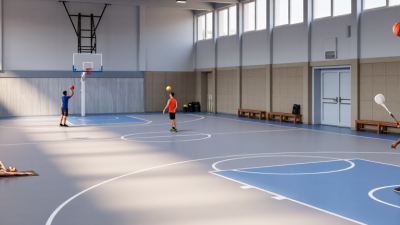
Picking the right Pvc Sport Flooring? It’s not just about comparing price per square meter. If you’re buying internationally, you’ve got to look at shock absorption, ball response, surface grip, wear resistance, and how it’ll actually be installed. A floor that feels great in a school gym might not hold up in a pro training center. And yeah, climate matters too. You know, heat and humidity—plus any movement in the subfloor—can really change how things perform over time. As sports-flooring consultant Michael Turner puts it, 'The best floor isn't the softest one—it's the floor that fits the sport, the athlete, and the building.' That idea should shape every buying decision. So, if you're the buyer? Ask for tested technical data: force reduction, vertical deformation, slip resistance, and dimensional stability. And don't forget the practical stuff—installation instructions, warranty terms, maintenance needs, and whether there's enough local service capacity to back it all up. You know, even a really solid product can turn into a pretty expensive letdown if the installation support isn't reliable. So don't just go by the sample -- look beyond it. When you're actually evaluating this stuff, it helps to look at a physical sample, check out some reference projects, and get a written project spec. And keep in mind: what matters most can shift depending on whether it's for basketball, badminton, a fitness room, or a multipurpose hall. A lot of buyers get pretty hung up on color and upfront cost. I get it—it's easy to do. But that's only part of the picture. Things like long-term cleaning, how stable the joints are, whether repairs are easy to access, and whether replacement parts are available should get just as much attention. Even people who've done this before can miss stuff like subfloor moisture or bad ventilation. Yep, that mistake can really cost you. This guide looks at the main PVC sport flooring options you'll come across in international projects. We weigh things like safety, comfort, durability, what the sustainability claims actually mean, and how reliable the supplier is. Truth is, no single product is the best fit everywhere. The right pick comes down to verified proof, how the floor will really be used, and honest back-and-forth between the buyer, the manufacturer, and the installer.
Read more »
Ethan By:Ethan - October 24, 2026
What Is Rubber Flooring Tile and Where Can You Buy It?

What Is Rubber Flooring Tile and Where Can You Buy It?

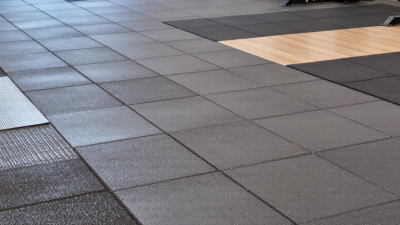
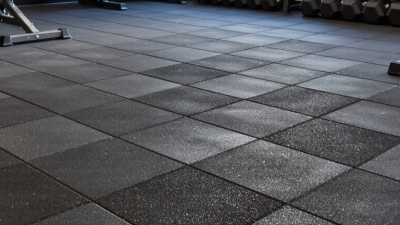
Rubber Flooring Tile is a practical surface for gyms, home workout rooms, schools, and commercial training areas. It usually comes in square or interlocking pieces made from recycled SBR rubber or cleaner EPDM rubber. The material feels firm underfoot. It also helps reduce impact noise from dropped weights and repeated movement. Choosing the right tile requires more than checking its color. Measure the room carefully, then compare thickness, density, edge design, odor, and cleaning requirements. A busy weight room may need thicker tiles than a quiet stretching studio. I have seen buyers focus on low prices and overlook uneven subfloors. That mistake can affect stability and appearance. Small details matter. You can buy Rubber Flooring Tile from local flooring distributors, fitness equipment suppliers, manufacturer websites, and established online marketplaces. Direct purchasing can offer better volume pricing, but samples should come first. Ask for technical data, installation guidance, warranty terms, and independent test reports. Check slip resistance, emissions, and fire performance against your local requirements. A reliable seller should answer clearly and provide consistent product information. Some listings use phrases such as “China Manufacturer Gym Rubber Flooring Easy Installation Rubber Floor Tile.” Treat that wording as a search term, not proof of quality. Confirm the factory’s experience, export records, quality controls, and after-sales support. The cheapest option may not remain economical after cutting waste, shipping, or replacement costs. There is no perfect tile for every space. Your floor, budget, users, and maintenance habits should guide the final decision.
Read more »
Liam By:Liam - October 20, 2026
Top 10 Rubber Mat Manufacturers for Global Buyers

Top 10 Rubber Mat Manufacturers for Global Buyers

Choosing a rubber mat has become less of a simple price check and more of a technical buying decision. These days, buyers around the world look at impact absorption, slip resistance, odor control, recycled content, installation time, and warranty support. A mat can look tough as nails in a showroom and still fail under heavy sled training or constant moisture. According to Grand View Research, the global rubber flooring market reached roughly USD 1.7 billion in 2023. Its report also projects steady growth through 2030, helped by gyms, schools, healthcare facilities, and commercial buildings. MarketsandMarkets points to recycled materials and modular flooring as important trends. So what does that mean? Dependable manufacturers need to combine material science, consistent production, and documented testing. John McCarthy, founder of Ecore, once said, “The floor is part of the equipment.” That practical view really matters. Pick the wrong surface and you can end up with more noise, more movement, more maintenance, and higher replacement costs. This guide compares ten manufacturers using experience-based criteria, including product thickness, density, edge design, certification evidence, global distribution, and after-sales support. It also considers practical formats, from Rubber Matting Rolls to Gym Rubber Flooring and Roll for a Gym Floor options. Buyers may also come across Rubber Gym Mat, Gym Mats, Rubber Flooring, Gym Rubber Floor Tiles, and other modular systems. No ranking is perfect. Supplier data can be incomplete, and regional performance may differ. Some manufacturers communicate technical details better than others. That limitation deserves attention. The strongest choices are not always the cheapest; they are the products that match traffic, subfloor conditions, cleaning routines, and installation skills. This introduction is meant to help global buyers evaluate quality with clearer evidence and fewer assumptions.
Read more »
Ethan By:Ethan - October 16, 2026
What Are the Best Types of Rubber Gym Mats?

What Are the Best Types of Rubber Gym Mats?

So, choosing the right rubber gym mats? It really starts with one thing: how your training space actually gets used. A quiet yoga studio is going to need different protection than a busy strength room where dumbbells get dropped, sleds slide around, and racks take a beating. Thickness, density, surface texture, odor, shock absorption, and installation—all of that shapes how the floor performs day to day. And yeah, the cheapest mat might look like a practical pick at first, but replacement costs can tell a very different story. As flooring specialist David Carter of Performance Surface Group puts it, “A gym floor should protect people, equipment, and the building beneath them.” That simple point matters more than it sounds. Dense recycled rubber can help cut down impact and noise, while vulcanized rubber often gives you a cleaner finish and better long-term resilience. Interlocking tiles are flexible to install, but those seams can collect dust over time. Rolled flooring gives you a smoother surface, though moving those big rolls takes patience—and careful, accurate cutting. No mat is perfect. This guide compares Rubber Matting Rolls, Gym Rubber Flooring Roll for a Gym Floor, Rubber Gym Mat, Gym Mats, Rubber Flooring, Gym Rubber Floor, and Tiles. They serve different rooms and different budgets. A 15-millimeter tile might be fine for functional training, while thicker protection may make more sense under lifting platforms. Indoor air quality deserves a mention too, especially in small rooms with limited ventilation. Product samples can show you texture, smell, and color variation way better than online photos can. Here’s one uncomfortable detail: durability claims aren’t always tested under identical conditions. So before you buy, check the technical sheets, warranty limits, cleaning instructions, and installation requirements. The best Rubber Gym Mats aren’t just the thickest or the prettiest. They’re the ones that actually match your training load, your maintenance habits, and the real conditions of your facility.
Read more »
Ethan By:Ethan - October 12, 2026
What Is the Best China Rubber Roll Manufacturer?

What Is the Best China Rubber Roll Manufacturer?

Finding the best China rubber roll manufacturer? It's not just about who offers the lowest price. The real work starts with material consistency, roll geometry, surface finish, and production control. A factory you can trust should be able to explain its rubber compound, hardness range, tolerance limits, and curing process without dodging. And it should be willing to send practical samples—not just pretty photos. Dr. Alan N. Gent, a well-respected rubber scientist, once wrote, “Rubber is an extraordinary material.” That still rings true. Rubber roll performance often comes down to tiny details: temperature stability, tensile strength, abrasion resistance, bonding quality. When you visit or review a factory, look at the mixing equipment, calenders, vulcanization lines, and final inspection records. Ask the tough questions. If the answers stay vague, be careful. This guide looks at Chinese manufacturers through experience, technical capability, communication, customization, and after-sales support. It also asks whether a supplier can make more specialized products, like Rubber Matting Rolls Gym Rubber Flooring Roll for a Gym Floor Rubber Gym Mat Gym Mats Rubber Flooring Gym Rubber Floor Tiles. Those terms can describe different applications, so don't treat specs as interchangeable. A thicker roll isn't automatically better. A harder surface might mean less comfort. And a cheaper quote can hide uneven density, weak edges, or inconsistent color. Some conclusions will always be a bit imperfect, since factory data changes over time. That limitation is real. Before signing anything, buyers should verify certifications, recent samples, reference projects, and delivery performance. The best China rubber roll manufacturer isn't just the biggest one. It's the partner that keeps proving quality, talks straight, and fixes problems when real production doesn't turn out perfect.
Read more »
Ethan By:Ethan - October 8, 2026
2026 How to Choose Exercise Floor Mats for Your Gym?

2026 How to Choose Exercise Floor Mats for Your Gym?

Picking out the right exercise floor mats isn’t just about looking good—it’s actually a smart safety move. And honestly, it’s pretty important. Did you know that in 2024, the Health & Fitness Association reported around 184 million people worldwide belong to fitness clubs? Plus, the industry raked in about $96.7 billion in 2023. With so many folks working out, gyms see a lot of impacts, equipment being moved around, sweat, and cleaning routines. All that stuff can really take a toll on the floors, so they need to be up for it. When you’re choosing mats, it helps to start with what kind of workouts are happening in that space. For example, heavy strength zones might do well with rubber rolls, while interlocking tiles are great if you want something easy to replace in areas focused on functional training. Densely packed foam could be perfect for stretching zones, but keep in mind it might compress under heavy gear like racks or sleds. Be sure to check things like thickness, density, slip resistance, odors, seams, and how stable the edges are. Standards like ASTM F2772 can give you a good baseline for athletic surface safety, but you’ll still want to double-check certs from your suppliers to be sure. And honestly, those little details can make a big difference. A loose edge can trip someone up, and if the surface is too soft, it might feel unstable when doing squats. A strong rubber smell, especially when a new mat arrives, can also turn people off from using a room. The 2024 reports from the Global Wellness Institute show wellness spending keeps climbing, which puts extra pressure on gyms to be cleaner, safer, and more comfy. But here’s the thing—sometimes what sounds good in theory doesn’t quite work out in real life. No single mat is perfect for every need. When choosing, think about impact protection, how much maintenance it’ll need, ventilation in the room, and how long it should last. It’s smart to ask suppliers like Regupol, PLAE, or Greatmats for test documents, installation instructions, and warranty info. Then, it’s always best to test out samples in real conditions. A mat that looks awesome online might end up shifting, staining, or curling after a few weeks. So, while marketing can be convincing, nothing beats careful actual observation.
Read more »
Sophia By:Sophia - October 4, 2026
Why Choose Rubber Flooring Tile for Commercial Spaces?

Why Choose Rubber Flooring Tile for Commercial Spaces?

Commercial spaces are always bustling—there's movement everywhere, heavy equipment getting moved around, spills happening, and constant cleaning. That's why Rubber Flooring Tiles are such a smart choice for gyms, schools, retail stores, and workplace hallways. Their dense construction helps absorb impacts, cut down on noise, and protect the subfloor from dropped weights. You really notice the difference, say, when a loaded sled drags across the floor or a dumbbell hits the ground with a loud clang. Another big perk? Installation is pretty straightforward. Because these tiles are individual pieces, they make transport, alignment, and future repairs much easier. If part of the floor gets damaged, instead of ripping out the whole thing, you can just swap out a section. And with keywords like “China Manufacturer Gym Rubber Flooring Easy Installation Rubber Floor Tile,” it’s clear more people are searching for quick, hassle-free commercial upgrades. Still, don't just look at the pretty pictures online—be sure to ask for details like what the tiles are made of, how slip-resistant they are, whether they have a noticeable odor, and check out independent test reports. A trustworthy supplier should be able to explain things like the density of the tiles, their thickness, edge design, how much upkeep they need, and how well they hold up in high-traffic areas. For instance, a 15-millimeter tile might be perfect for general workout zones, but heavier lifting spaces often need something thicker for extra protection. The surface texture is also worth thinking about. A smooth finish is easy to clean, but a textured pattern can give better grip, especially near entrances. Of course, rubber flooring isn’t perfect—there might be some odor right after installation, and if the subfloor isn’t prepared correctly, the tiles can become uneven or start separating. To avoid these issues, proper acclimation, precise measurements, and good adhesive choices are key. Before placing a big order, it’s smart for facility managers to compare samples under the lighting and cleaning routines they'll actually use. This simple step often uncovers little things that product brochures might overlook.
Read more »
Liam By:Liam - October 1, 2026
10 Artificial Grass Carpet Buying Tips for Global Buyers

10 Artificial Grass Carpet Buying Tips for Global Buyers

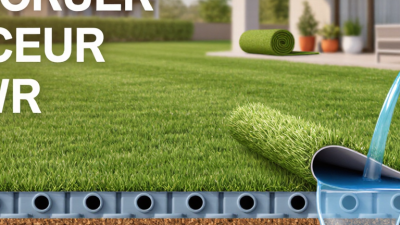
A Artificial Grass Carpet might look pretty convincing in a product picture, but the real test shows up once you’re actually walking on it. Things like the backing, yarn shape, pile height, drainage ability, and UV resistance all play a role in how it holds up after installation. You might find a dense sample feels super soft in the showroom, but in a busy garden or high-traffic area, it could trap dirt and debris pretty easily. Small details really matter here. Make sure to ask for a full specs sheet—not just a color card—and get a sample large enough to really check out the stitch pattern and backing quality. Also, double-check that the measurements and test results listed actually match the exact product you're considering—it’s worth verifying. This guide shares ten practical tips for anyone shopping around globally for artificial grass—whether it’s for a home lawn, a play area, or a commercial space. We cover stuff like how you plan to use it, what materials it’s made of, drainage, maintenance, how to inspect samples, good questions to ask suppliers, and what all the costs involved might be. Remember, there’s no one-size-fits-all solution here. Just because a product comes at a low price doesn’t mean it’s the best deal overall—it’s also important to consider replacement costs, shipping, and installation fees. Just a heads-up: the quote from ‘fictional procurement expert’ Alex Morgan, saying ‘Judge the carpet by its backing, drainage, and test data—not just by color,’ is just a sample line—it's not a verified expert opinion. Before you move forward, it’s a smart idea to replace that with a real interview or consult someone knowledgeable. Even the most careful buyers can overlook something small, so always use a checklist, and then double-check claims against product documents and, if possible, an actual sample—better safe than sorry!
Read more »
Sophia By:Sophia - September 27, 2026
How to Choose the Best Synthetic Grass in 2026

How to Choose the Best Synthetic Grass in 2026

So, looking at 2026, choosing synthetic grass isn’t just about picking a pretty color, checking out the pile height, or eyeballing prices online. Honestly, a convincing sample can hide a lot—like weak backing, too much shine, or poor drainage—things you won’t really notice just from a quick glance or a photo. Trust me, those pics usually don’t tell the full story. Your decision should start by thinking about what you actually need it for, the local weather conditions, and how much foot traffic you’re expecting. For example, a family lawn needs soft fibers that are comfy to walk on, with seams that stay put. If you’re putting it in a pet area, quick drainage and surfaces that don’t hold onto smells are key. And balconies? They’re lighter, so you gotta plan the load carefully. When it comes to choosing reliably, it’s all about the evidence. Don’t hesitate to ask manufacturers for the fiber specs, UV resistance info, warranty details, and installation tips. Make sure the warranty actually covers fading, splitting, and general wear and tear. Those details matter a lot. Getting independent testing done can help boost your confidence, but it’s also worth checking how those tests were done—especially if you live somewhere with a climate different from the testing lab’s location. Look for clear product labels and straightforward maintenance instructions. Good suppliers should be willing to explain their choice of infill, how to prepare the sub-base, and what to do if repairs are needed—without promising you a maintenance-free miracle. Here’s the thing: there’s no perfect turf out there. Some high-end options feel super natural but come with a higher price tag. Cheaper turf might not look quite as realistic, but it could still do the trick for a season or two—until it flattens out. I tend to prefer a dense, matte finish, but honestly, your preferences might be totally different—that’s okay to admit. To really get a feel for each one, compare samples outside in the morning and afternoon light. Pour some water on them—see how they drain. Bend the backing a little. Walk on them barefoot if that makes sense. And make sure to note down anything you notice, even the small disappointments. In the end, the best synthetic grass in 2026 isn’t just the greenest-looking one. It’s the system that matches your site, backed by solid evidence, fits your budget, and matches your willingness to keep it looking good.
Read more »
Sophia By:Sophia - September 22, 2026
How to Choose the Best Rubber Floor in 2026?

How to Choose the Best Rubber Floor in 2026?

Picking out the best rubber flooring in 2026 isn’t just about comparing prices or thicknesses — there’s more to it than that. If you’ve got a busy gym, you really need flooring that can handle dropped weights, repeated impacts, sweat, and all the daily cleaning routines. It also should feel stable underfoot, help keep the noise down, and stay comfortable even during those long, intense training sessions. Alexandra Reed, an independent rubber-flooring expert with over 15 years of experience working on commercial projects, puts it simply: "Good rubber flooring isn’t just about thickness; it’s about matching the right type of flooring to the room, the equipment, and the people using it." That makes sense, right? For instance, a dense tile might be perfect for a free-weight area, while a softer roll could really boost comfort over a larger workout space. And if you’re considering recycled rubber? Well, it offers great value, but don’t forget to check out the smell, the finish, and how consistent the color is — those details matter. This guide walks you through the different materials, surface options, thicknesses, installation methods, and maintenance needs that will influence what kind of gym flooring makes sense in 2026. We also look into popular search queries, like rubber mats, gym flooring rolls, and tiles — yeah, the wording might be a bit awkward, but the questions people are really asking are spot on. Honestly, there’s no one-size-fits-all answer here. A home gym, a school gym, or even a professional training center all have their own unique challenges. Measuring impact zones, checking moisture levels beneath the floor, and requesting samples before buying can save you from costly mistakes. But even with all that planning, there are still some tricky parts — like color variations between batches or installation quality that could make a bigger difference than the specs on the box. In other words, do your homework, pay attention to the details, and don’t be fooled just by the fancy wording. The right flooring depends on so much more than just the specs — it’s about finding what truly works for your space and your needs.
Read more »
Liam By:Liam - September 18, 2026
How to Choose the Best Synthetic Grass for Your Project

How to Choose the Best Synthetic Grass for Your Project

Picking out the right Synthetic Grass really starts with understanding how you plan to use it. A peaceful garden isn’t the same as a busy kids’ play area or a bustling rooftop. Things like foot traffic, pets, drainage, sunlight, and maintenance need to be big factors in your decision-making process. Sure, looks matter — but they shouldn't be the only thing guiding you. When pros do site visits, they usually start by checking out the ground itself before pulling out samples. They look at soil stability, how water flows, shade patterns, and the edges. Those little details can actually reveal issues that a product brochure might totally miss. Pay attention to things like pile height, blade shape, backing durability, infill type, and heat resistance. For example, a softer turf might feel nice underfoot but could flatten faster after lots of use. Meanwhile, a dense, realistic-looking turf might need better drainage preparations to avoid water pooling. Pro tip: tiny samples can really help in making good comparisons. A trustworthy manufacturer should give you clear specs, warranty info, installation tips, and care instructions. Thinking about independent testing or recognized industry standards is also a good move — it adds a bit of confidence, though honestly, no label beats proper site prep and planning. I’ve seen some gorgeous installations that looked great but fell flat because the base wasn’t compacted well—that’s a lesson in installation, not necessarily the product’s fault. Also, don’t be swayed by vague promises about durability, cooling, or pet friendliness without solid proof. Some claims sound convincing but lack real evidence. Ultimately, the best choice depends on balancing natural look, durability, safety, your budget, and how well it suits your local climate. Sometimes, it’s not about getting the most expensive or the softest turf. By comparing technical details and actual experience, you can make a smarter decision and avoid blowing your budget on fixes later on.
Read more »
Liam By:Liam - September 12, 2026